








Once you’ve completed your batch of cosmetics, you can go ahead and pick out your product packaging. The simplest approach is to choose containers that make filling, storing, and daily use straightforward. As you work, you’ll notice how your product pours, settles, or sticks to your tools. Those small cues usually point you toward the type of packaging that will work best.
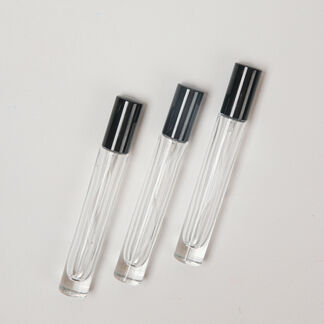
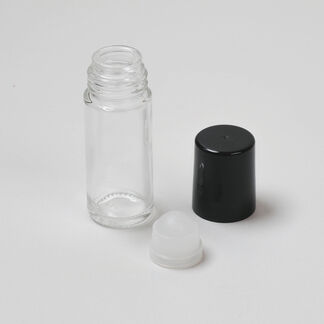
Jars are a practical choice for thicker textures like creams and salt scrubs, since a wide opening makes scooping simple. One thing to keep in mind is that tension-based lids hold up better during shipping and are less prone to loosening. Lightweight oils and serums are commonly packaged in glass dropper bottles because the formula is meant to be used sparingly. Perfume oils and aromatherapy blends are a good match for roll-on bottles because they’re easy to apply directly to the wrists or neck. Rollers also reduce the risk of leaking during storage or travel, since the product stays sealed until pressure is applied.
Pump Bottles and Tins for Handmade Products
Pump bottles are especially useful when single-hand operation matters, whether you're working with hair treatments, lotions, or products used mid-routine. Pumps help limit contamination, manage product flow, and stay reliable even when your hands are wet. They also reduce how often the product is exposed to air or light, which helps maintain its quality between uses.
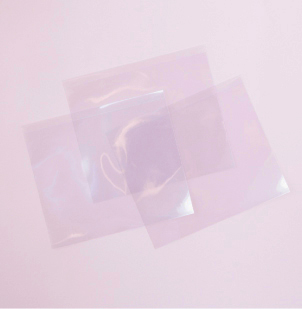
If you want something compact and portable, tins are the perfect container for solid balms, salves, or perfume bars. Just note that if the mixture is too hot when poured, it can lead to tunneling or uneven texture in shallow tins. For gifting or small retail displays, boxes and wraps help protect soaps and bars from cracking or chipping during transport.
Small Details That Make Packaging Look Professional
- Let liquids cool completely before capping to prevent condensation inside the containers.
- Avoid overfilling to prevent spills, messy rims, and labels that don’t adhere well
- Wipe containers with alcohol before labeling so adhesives stick cleanly
- Apply labels from the center outward to avoid bubbles or creases
- Pick packaging with a flat, even surface so your labels sit straight and stay readable
- Choose a container that will make the application of your product effortless for the customer
Templates for Labels, Wraps & Gifting
You can explore a range of Bramble Berry templates made for makers who want a polished look without creating everything from scratch. These include ready-to-print product labels, candle toppers, and gift tags. All of the printables are free to download, and each one can be printed at home, making it easy to keep your full line of products cohesive.
How do airless pump bottles help with product preservation?
Airless pump bottles stay sealed between uses, helping shield the formula from air and light. This matters because certain ingredients, such as vitamin A, specific plant extracts, and nutrient-rich oils, can lose their strength or change in color and scent when they are opened and exposed too often. Keeping the product closed until the moment you press the pump helps slow down this kind of breakdown. It also reduces the chance of air or bacteria from hands getting into the container, which supports overall formula stability and may allow you to rely on gentler preservative options while helping the product maintain its texture, appearance, and freshness for a longer period of time.
Why are some products better in glass instead of plastic?
Glass is often a better choice for formulas that contain a high percentage of essential oils, vitamin-rich components, or concentrated fragrances. Glass creates a durable, non-reactive barrier between the product and its packaging. Certain plastics can gradually soften, cloud, or take on scent when they are in contact with strong oils or heat. Glass does not absorb fragrance or color, and it resists warping.
How do I choose packaging that is easy for customers to reuse or recycle?
Look for packaging made from materials that clean well and separate easily. Glass jars and bottles can be rinsed out thoroughly and fit into most curbside recycling programs. BPA-free PET plastic is a great economical choice and is widely accepted as recyclable. Choosing single-material containers is especially helpful so that customers do not need to separate different components before recycling. You can also add a short note on your product label about how to rinse or separate the packaging before recycling, which makes the process clearer for customers.